

Mesothelioma Lung Cancer
Exposure to asbestos can cause mesothelioma, lung cancer, and asbestosis. Most mesothelioma cases start in the lungs. A less common type of mesothelioma begins in the lining of the abdomen, called malignant peritoneal mesothelioma.
Mesothelioma is a type of cancer that is caused by the uncontrolled growth of cells. Patients can lessen their risk by adhering to safety rules at work and avoiding natural asbestos deposits and smoking, as well as using cosmetics containing talc.
Signs and symptoms
Mesothelioma patients typically experience constant pain and coughing. The fluid may accumulate in the chest or abdomen (ascites) as well. The symptoms of mesothelioma differ depending on the body part affected and the extent of cancer spread. The disease usually manifests in the lining of organs major, including the lungs, however it may also manifest in the peritoneum and tunica vaginalis. Mesothelioma can be diagnosed through an examination of the body as well as urine and blood tests, CT scans and MRIs.
The exposure to asbestos is the most frequent cause of mesothelioma lung cancer, and the time between diagnosis and treatment may be prolonged. It is essential that patients seek medical attention as soon as they notice symptoms and provide them with their asbestos medical history.
Asbestos is minerals that have thin, microscopic fibres. It was once a sought-after building material, but has since been removed due to the dangers it poses to health. Asbestos exposure can harm the lungs by inhalation or through the digestive tract. If the fibres are ingested and cause irritation to the stomach and intestinal tract, and may cause mesothelioma or other cancers.
The symptoms of mesothelioma can manifest anywhere from 20 to 60 years after the initial exposure. Because mesothelioma's symptoms can be similar to the symptoms of other conditions and illnesses it is common for patients to wait until they are in a serious condition before seeking medical treatment.
Asbestos workers also are exposed to other substances such as radon and smoke from cigarettes as well, which may have similar effects on the lungs. This can cause confusion in diagnosis and treatment, resulting in delays to a proper mesothelioma diagnosis.
Even when symptoms do show up mesothelioma is often difficult to identify because it is possible to mistake them for other illnesses or conditions. Chest pain, breathing problems, and coughing can all be symptoms of other cancers, like pneumonia.
This makes it difficult for doctors to recognize mesothelioma-related lung symptoms and to take them seriously. If you have experienced any of the symptoms listed above, it is essential that you see a specialist and provide them with your asbestos exposure background.
Diagnosis
Early symptoms of mesothelioma are often similar to those of other diseases. They include fatigue, shortness of breath and coughing. Mesothelioma lung cancer patients might also notice a lump in their chest. The cancer can spread quickly.
Asbestos is a group minerals that contain microscopic fibers. They were used in numerous industrial products due to their durability and resistance to fire. Asbestos is also relatively inexpensive to make, allowing manufacturers to charge lower prices for their products. Unfortunately, asbestos-based products did not fully warn users of the dangers they posed. It can take between 20 to 60 years for exposure to asbestos to cause mesothelioma. Those who were exposed to the material in the workplace are at a higher chance of developing the cancer.
If you've been diagnosed with mesothelioma are required undergo a variety of tests to confirm their diagnosis. A chest X-ray or CT scan are two tests that are available. The X-ray can help doctors detect any changes, like thickening of the lining or calcium deposits. It will also show the presence of fluid between the lungs, and the chest wall. El Cajon asbestos attorneys -rays can also detect fluid in the abdomen. A mesothelioma radiologist will examine the results to ensure the doctors are getting accurate information.
The CT scan will provide precise images of the lungs as well as other body parts. This will allow the doctor to determine if the mesothelioma cancer has spread to other regions of the body. A Postron emission Tomography (PET) scan is also often requested. This test uses radioactive substances to aid doctors detect mesothelioma cancer cells that have spread across the body.
A blood sample is taken to test for cancer-causing proteins. A biopsy is then done to confirm the diagnosis. Other tests are possible in accordance with the type and stage of mesothelioma in order to determine the extent to which the disease has spread. There are three kinds of mesothelioma: epithelioid peritoneal sarcomatoid. Each type has its own treatment method. For instance, sarcomatoid pleural mesothelioma can be more invasive and difficult to treat than other types.
Treatment
Mesothelioma is a type of cancer caused by asbestos exposure is a rare form of cancer. The long time of latency means that it is usually diagnosed several years after the initial exposure. Patients can see their doctor and discuss their concerns and symptoms which can speed up the diagnosis.
Anyone who has been exposed to asbestos should be aware of the dangers. They should also speak to their doctor about any concerns or unusual symptoms. Disclosure of asbestos exposure can increase the chances of survival for mesothelioma.
Exposure to asbestos usually results in pleural mesothelioma. Patients can also develop peritoneal or more rarely testicular cancers. Asbestos is a class of minerals that have thin micro-sized fibers. They have been employed in insulation, construction and other industrial products because they are durable and fire-resistant, and don't conduct electricity. If asbestos is disturbed, these tiny particles could be blown into the air and breathed in. Alternatively, they can be swallowed and cause irritation to tissues in the digestive tract or chest lining.
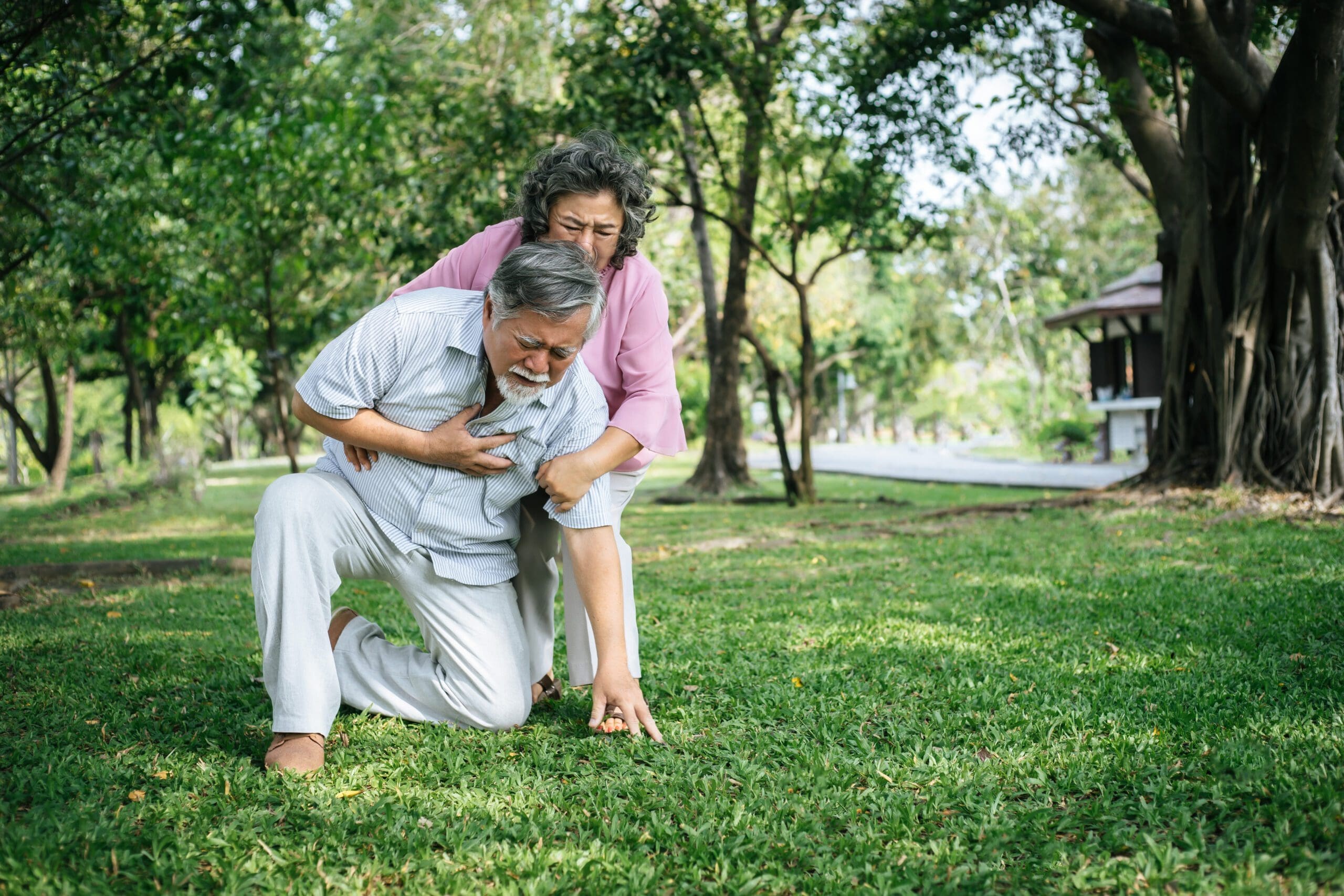
It can take anywhere from 20 to 60 years for mesothelioma to develop after exposure. The cancerous tumors usually begin in the lung's lining (pleura) however they can also develop in other parts of the body such as the lining of the stomach (peritoneum), the heart and testicles. Mesothelioma is seen in men and women, but older people are more likely to be affected.
The treatment options for mesothelioma are different according to the type and stage. In most cases, doctors will recommend radiation, chemotherapy or surgery. In certain instances the treatments can prolong the life of a patient.
A chest X ray can reveal mesothelioma and confirm its diagnosis. A biopsy is required to confirm a mesothelioma diagnosis. The surgeon can either eliminate the cancerous tissue, or place an additional graft. A pleural drainage can be inserted to reduce fluid build-up and alleviate chest pain.
In certain instances mesothelioma is treated by chemotherapy drugs, such as cisplatin and pemetrexed. These drugs eliminate cancerous cells and prevent their spread. Patients may also receive targeted treatment that makes use of antibodies to kill specific DNA mutations that cause mesothelioma.
Prognosis
The rare cancer mesothelioma is found in the organ's linings that protect it known as mesothelium. It most commonly affects the lung lining (pleural mesothelioma) but it can also be found in the lining of the abdomen (peritoneal mesothelioma) and, less frequently, in the membrane surrounding the testicles or heart (pericardial mesothelioma). It is usually caused by exposure to asbestos, which is a group of minerals that have thin micro-sized fibres that were extensively used in construction. The mesothelioma cannot be cured but treatment is able to alleviate symptoms and slow the progression of the disease.
Like other cancers, mesothelioma begins when the DNA of a cell undergoes changes that cause it to expand uncontrollably. Mesothelioma usually occurs 30 to 50 years after exposure to asbestos. The symptoms often start in the chest (pleural mesothelioma) or stomach (peritoneal mesothelioma).
Mesothelioma is most common in asbestos workers however, they aren't the only ones to be exposed to this harmful substance. Asbestos fibres are inhaled by those who breathed the fibres through their clothing, or from friends or neighbors who worked with asbestos. The symptoms of mesothelioma resemble the symptoms of other diseases, including the flu, and it can take some time for doctors to diagnose mesothelioma.
Mesothelioma cancers of the pleura lining may cause fluid build-up and inflammation that can cause pain and shortness breath. These symptoms can appear decades after asbestos exposure and are often mistaken for other illnesses such as the flu or pneumonia.
The most frequent mesothelioma-related symptoms are bloody coughs and breathing problems. Other symptoms include fatigue and weight loss. It can be difficult to diagnose mesothelioma because the latency period means that symptoms develop slowly and are not properly diagnosed. It is crucial to consult a GP in case you experience any unusual symptoms, and tell them about any previous experience working with asbestos.